
GETTING TO KNOW HUMBOLDT PARK
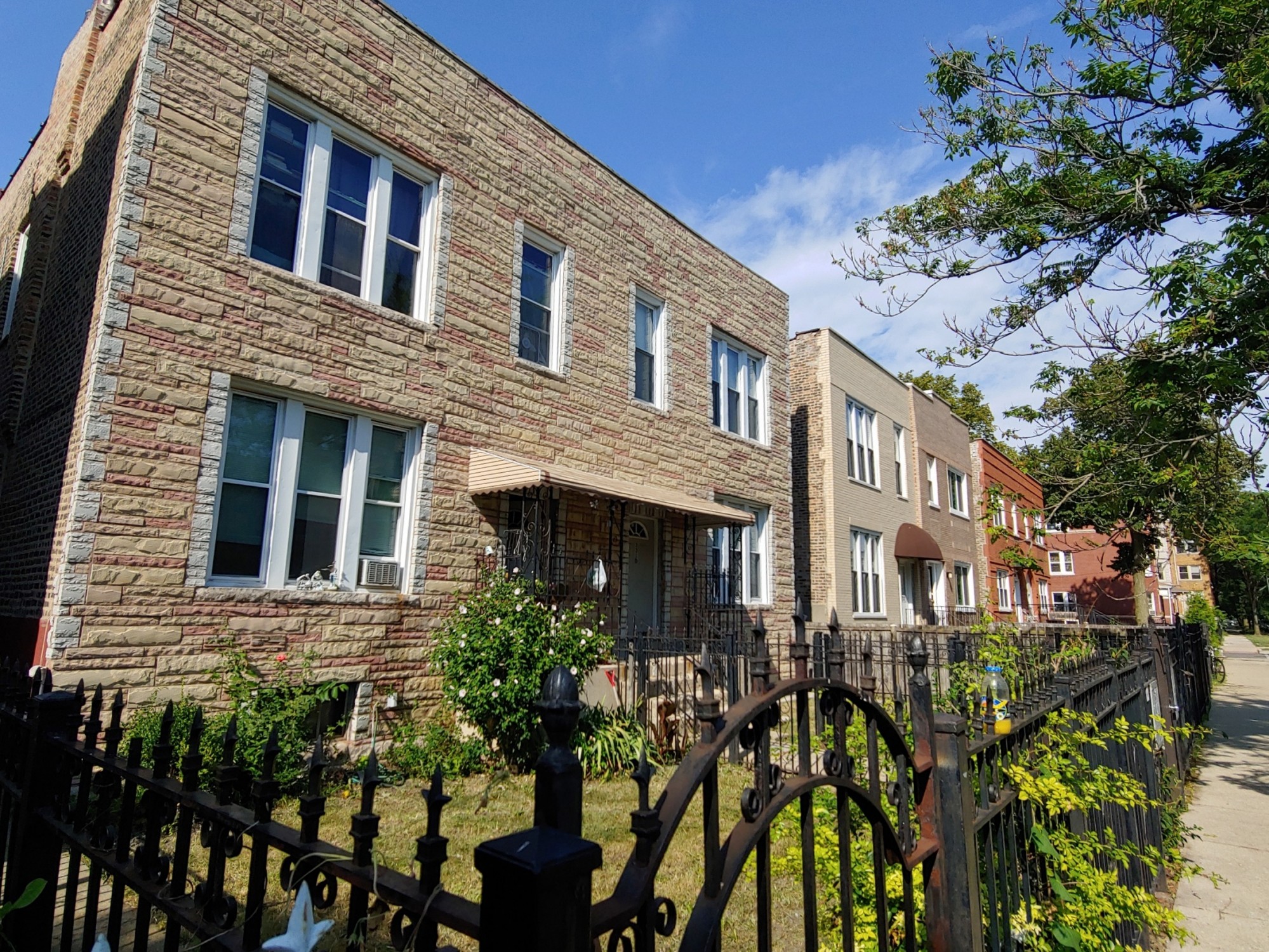
What’s the Appeal? Simply put, homebuyers can get a lot for their money in Humboldt Park and have the potential of reaping a substantial profit thanks to rising property values. The median price of a single-family home in the area over the 12 months from July 1, 2018, to June 30, 2019, was just $217,000, but that represented a 38% increase over the median sales price during the prior 12 months. While many of those recent home sales are of existing homes, new construction homes are increasingly common and are offered at prices starting from about $700,000. The area is also rich in vintage two- and three-unit buildings, many of which are classic greystones, and prices for these properties are also on the upswing. The median sales price for two-to-four-unit buildings during the 12 months ending June 30 was $246,250, 59% higher than in the same period two years earlier. Plus, the community borders several of Chicago’s most alluring parks, including Humboldt Park itself, Garfield Park with its famous conservatory, and the 606 Trail. While the area is still short on amenities, it offers easy access to the many shopping, dining and entertainment options of West Town/Wicker Park and Logan Square.
Where Is It? Strange to say, Humboldt Park isn’t in Humboldt Park. Yes, that is rather confusing, but don’t blame us. Blame the City of Chicago, which carefully drew the eastern border of the Humboldt Park Community Area to exclude the land that is Humboldt Park, the lovely city park. The park itself is part of the West Town Community Area, while the Humboldt Park community borders the west side of the park and extends east along the north and south sides of the park as far as Sacramento and Humboldt Boulevards (3000 West). The Humboldt Park community then extends west as far as Kenton Avenue (4600 West) and is bordered on the south by Kinzie Street (400 North) and on the north by Bloomingdale Avenue (1800 North).
What’s in the Name? The community takes its name from the park, which in turn is named in honor of Friedrich Wilhelm Heinrich Alexander von Humboldt, a multitalented Prussian geographer, naturalist, explorer, diplomat and philosopher who achieved worldwide renown during his long life (1769-1859). Von Humboldt’s extensive explorations of South and Central America and of the Russian far east won him lasting fame. More species are named after him than after any other person. The decision to name the park in his honor reflected the fact that the area surrounding the park was first settled by German and Scandinavian immigrants. Originally called North Park because it was the northern most of three large new parks planned for the growing City of Chicago in the mid-19th Century, it was dedicated to Humboldt in 1869, the 100th anniversary of his birth.
Who Were the Earliest Residents? Though the area was first settled primarily by Germans, Danes and Norwegians, Humboldt Park has had a long history as a port of entry for new immigrants. The first wave of settlers, who dominated the area through the second half of the 19th Century, were succeeded by new arrivals from further east in Europe, primarily Jews from Eastern Europe, Italians and Poles. Next, starting in the late 1960s, the area became a center for Puerto Rican-Americans, who moved to Chicago seeking economic opportunity. In recent years, the Puerto Rican population of Humboldt Park has been shrinking as the area has become increasingly diverse and most recently has seen definite signs of gentrification.
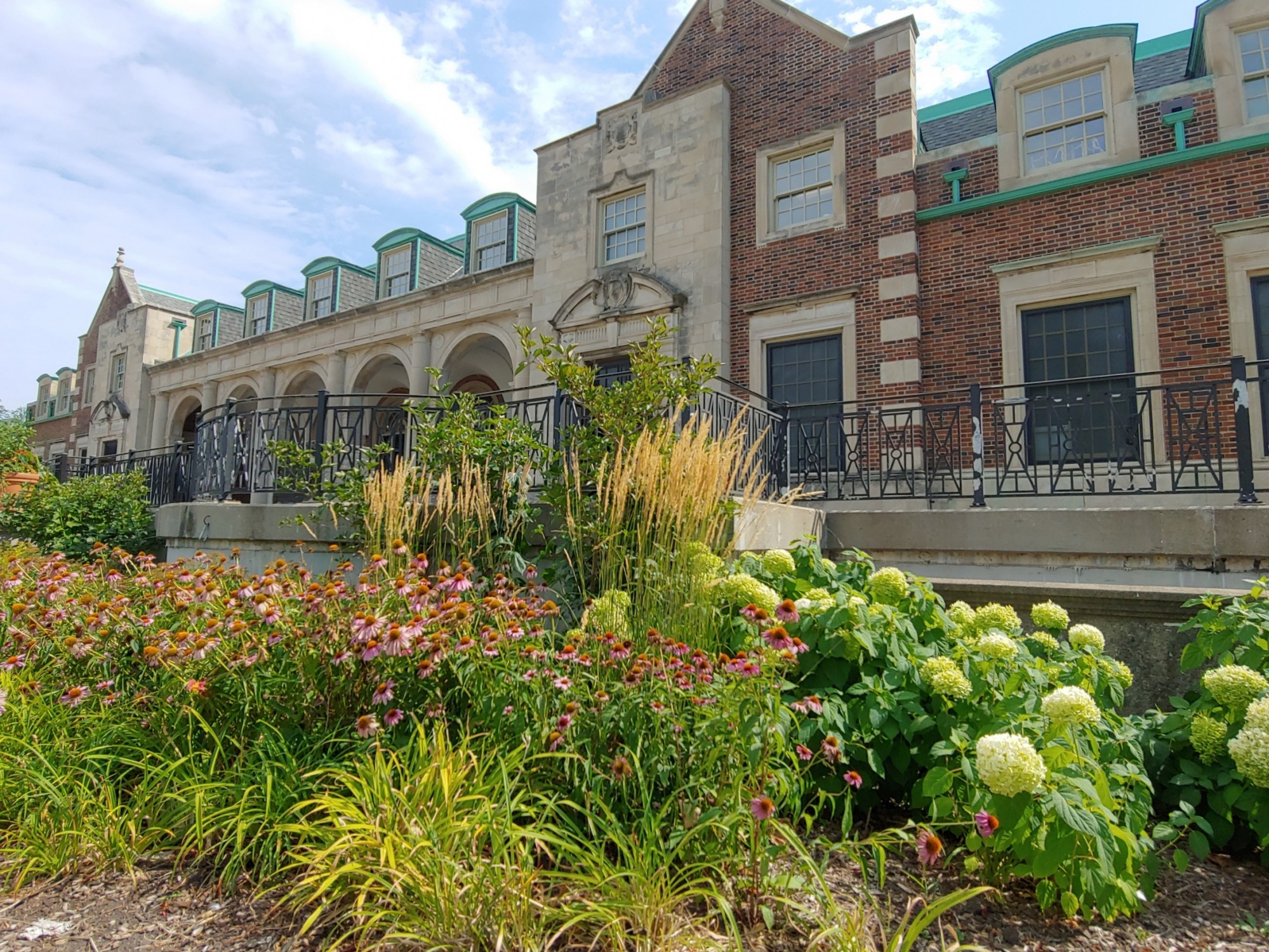
Claims to Fame: Since the 1950s, Humboldt Park has been known as the center of Chicago’s Puerto Rican community. The major celebration marking that fact is called Fiestas Puertorriqueñas and happens every June, with a weekend full of events headlined by the People’s Parade on Division Street. The National Museum of Puerto Rican Arts and Culture is located in the magnificent old Humboldt Park Stables building. Among the most famous Chicagoans associated with the Humboldt Park community are the writers Saul Bellow, Nelson Algren and the Polish-American poet John Guzlowski. But on a less happy note, Humboldt Park was also the location of one of the city’s greatest tragedies, the fire on Dec. 1, 1958, at Our Lady of Angeles, 909 N. Avers Ave., which took the lives 92 students and three nuns.
AWARD WINNING SERVICES

GLOBAL REACH & HOME INSURANCE



WEBSITE AWARDS



Market Report
Sign up today to stay updated on what’s happening in your local real estate market.
